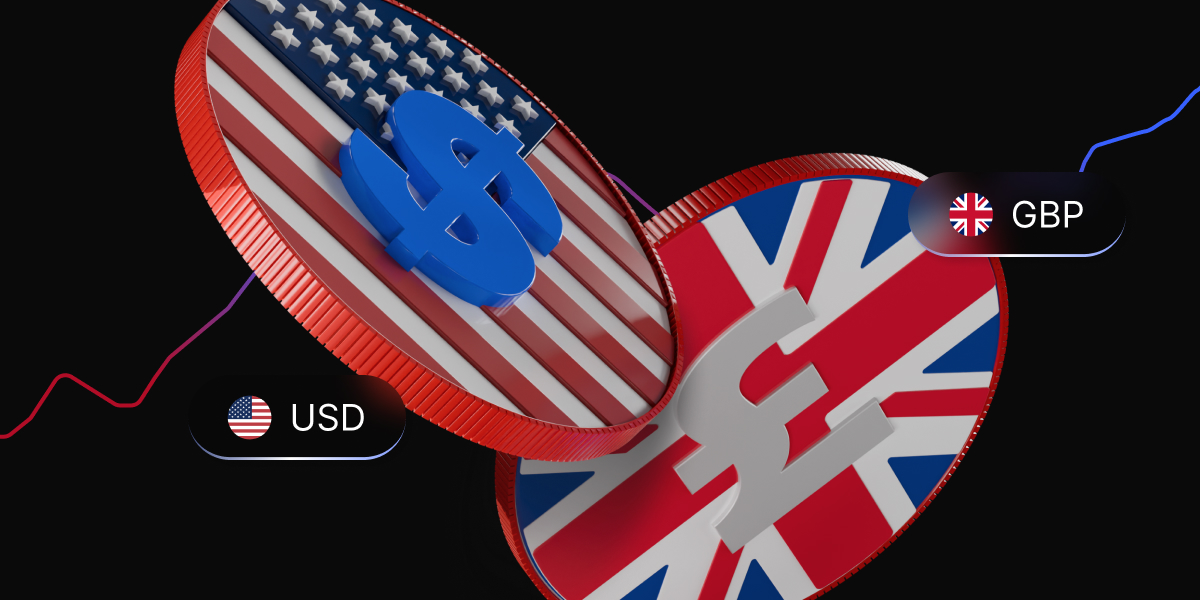

Sterling rose on Wednesday after UK September inflation came in hotter than expected. Analysts say the pound's gain owes more to a weaker dollar than to domestic momentum.
Sterling traded higher on Wednesday, lifted by hotter-than-expected UK September inflation data at 3.5% alongside a broader softening of the greenback and sliding oil prices.
The pound jumped 0.07% against the dollar to 1.3392 at 05:10 ET (09:10 GMT), while the euro slipped 0.19% to 1.1215.
The dollar continues to trade with a soft undertone. ING FX strategist Francesco Pesole pointed to "stretched longs and short-term overvaluations being unwound" as part of the explanation.
Pesole added that lower oil prices show renewed potential to damage the greenback. A short-lived drop in Brent on unconfirmed reports of Middle East negotiation progress was enough to send DXY briefly to 101.50, he said.
On US policy, Federal Reserve Governor Christopher Waller maintained a hawkish stance by signaling openness to further tightening if data warrants. Vice Chair for Supervision Michelle Bowman held a neutral posture ahead of the October 27–28 FOMC meeting.
Back in the UK, the headline inflation acceleration to 3.5% and core services rise to 3.7% reinforce expectations for a November Bank of England rate hike. Even so, analysts stress the pound's strength is heavily propelled by external dollar weakness rather than pure domestic momentum.
Reversing that view would require a sharp resurgence in US inflation data or a severe escalation in geopolitical energy shocks, according to the source.
Source: Investing.com
Trading involves risk.





 Risk Disclaimer